Exploring the unknown requires tolerating uncertainty.
It began in 2005 with General Studies in Sciences, which took me much longer than I'd expected (all those Calculus and Physics courses), but in the long run it taught me a lot and changed the way I learn new things. By contrast, once I was in my major, Computer Engineering, I genuinely enjoyed most of the courses. But one left its mark on me: Information Systems 1. People said it was one of the easiest courses you could take.
What happened when I took it? I failed it, with a 10 out of 20: the only course I would ever fail in my major. Only 15% of the class failed. My way of designing a system was different from what the professor had in mind. He explained that the way I'd categorised things wasn't right, that it should have been the opposite of what I'd proposed. That course would cost me an extra semester at university, on top of the two I'd already added during General Studies. For a moment I thought about switching to Industrial Engineering. I felt that things couldn't just be black or white. There had to be something in between, a space where you could move around and where being relative could mean something positive.
I even thought about changing universities, to the University of Lima, which my former boss at BCP (someone I still admire) had spoken very highly of. I researched different curricula until I finally made a decision.
I was in love with PUCP, I enjoyed building software creatively, and I only had a couple of years left. The solution? To feed that ‘relative’, different side that was growing inside me through other disciplines. I ended up taking Product and Brand Management at the University of Lima, Online Business Creation from a PUCP master's programme, and Creativity and Emotional Intelligence and Industrial Psychology as PUCP electives. I wanted to complement the skills I already had with new knowledge. Even the compulsory courses in Business Management and Engineering Economics did a lot for me, helping me analyse things beyond software: the company and how it works.
Did it work?
I'd say I was at peace during university, and I finished happy and inspired in 2011. That peace wouldn't last long. When I was working at Pacífico Seguros, I started to sense again that something was missing. I felt that the decisions I made in front of a computer, in an Excel sheet or in a meeting with five people, needed one more ingredient to really work. Can we really analyse every possibility and minimise the risk of our decisions? What if we get it wrong? Of course, back then I didn't know about the endless biases that keep us from making clear, sound decisions. But beyond that, something told me we were making decisions that affected people, and then they were the ones who had to live with the consequences, good or bad, not necessarily us (the worst that could happen to us was missing the year's targets, or maybe getting fired).
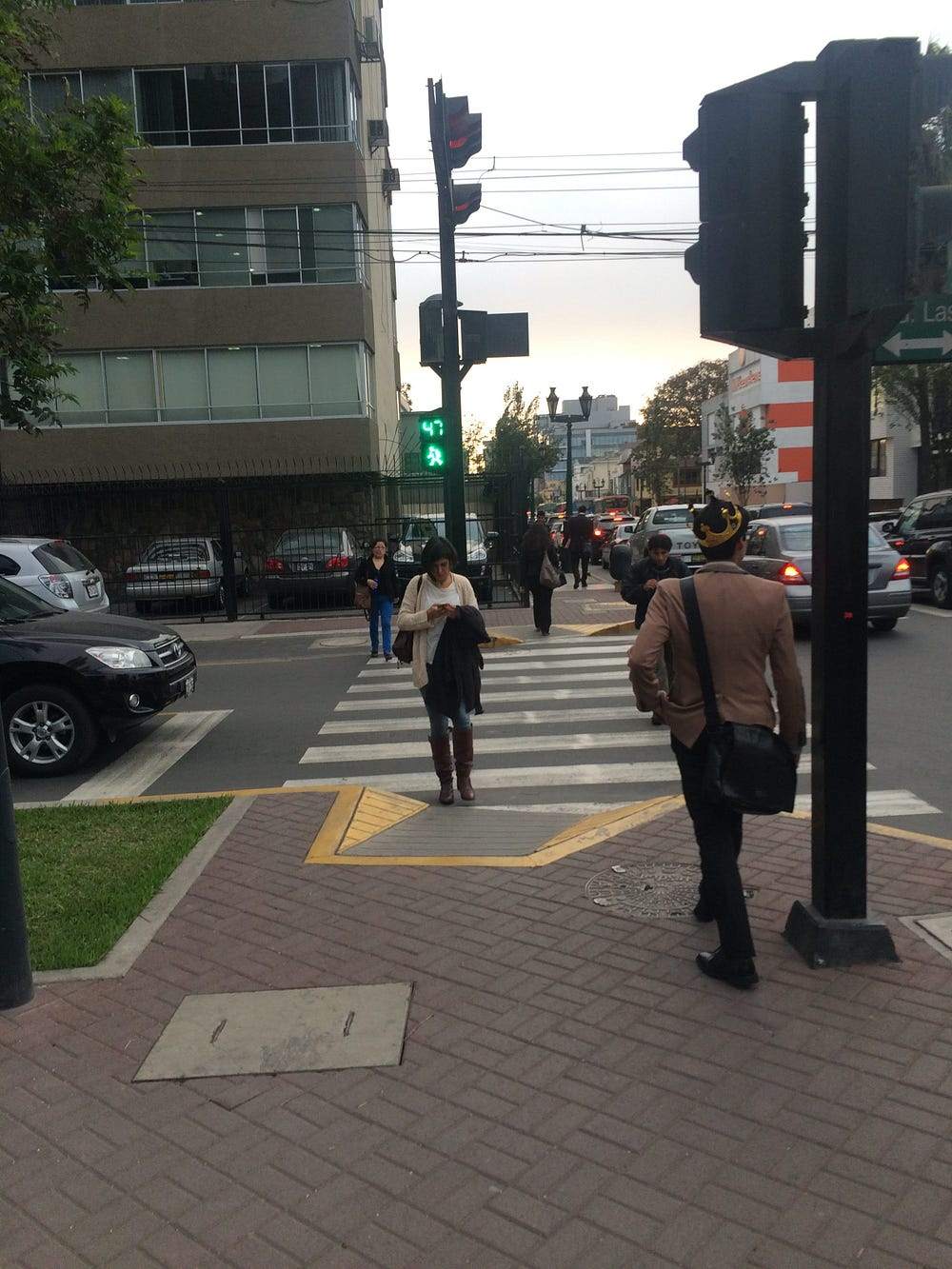
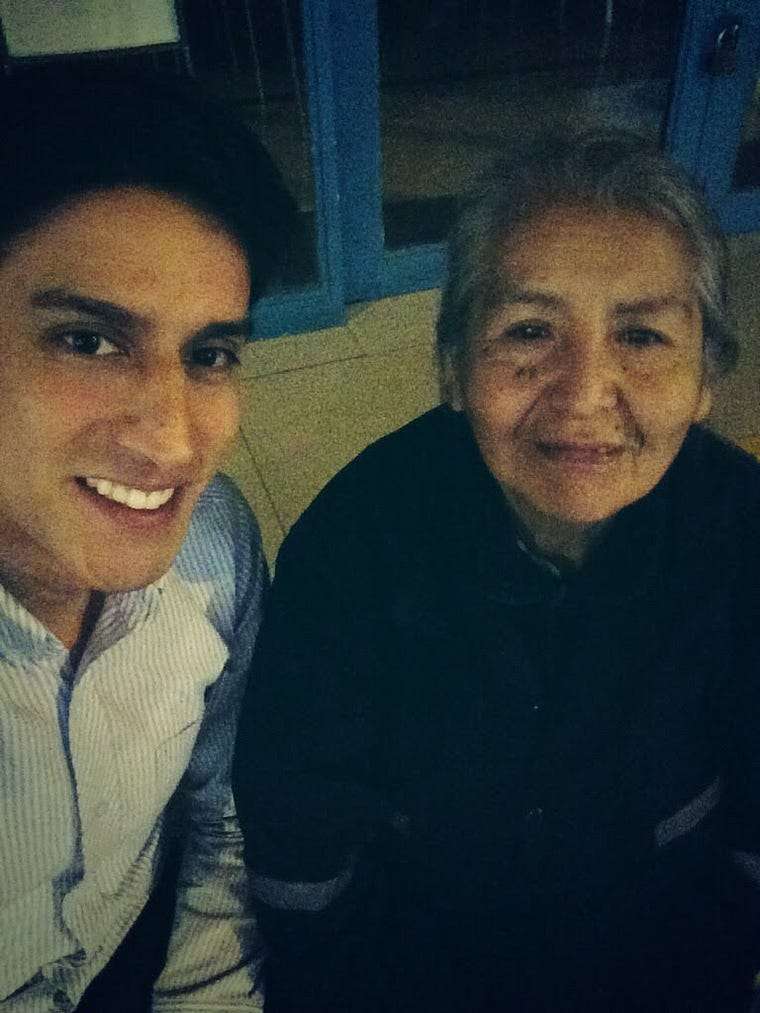
In 2013 and 2014, I decided to take some online courses that broadened my view: Creating Innovative Products from Tec de Monterrey, Creative Problem Solving from the University of Minnesota–Twin Cities, Storytelling for Change from the non-profit Acumen, and a Leadership and Coaching course at Pacífico. They pulled me out of my natural decision-making zone and into very different activities: walking down Avenida Juan de Arona wearing a king's crown, drinking soup out of a bottle, talking to the woman who watched over the cars outside the Caminos del Inca shopping centre, being graded by people from different countries, or filming myself telling a story that could hold the other students' attention.
Did it work?
Was Design Thinking really what I was looking for? It seemed so. But at the same time, it felt too ‘easy’ and simple to start innovating after five classes. If that were the case, could anyone do it? Is it just a matter of mindset? Was there more theory behind what they were doing? Is it enough to follow the four or five steps? Or does it come from experience?
What happened next?
Once I was at Scotiabank, I decided to keep exploring and took a course in Advertising Creativity at Atomic Garden, and even one in Bakery and Patisserie Management at Nova Escuela.
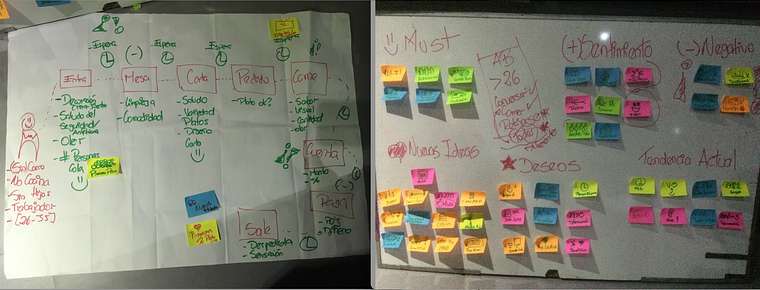
Why patisseries? I wanted to put everything I'd learned over the years into a real business, and I saw great potential in opening a patisserie. I remember going around different parts of Lima in 2016 with my then-girlfriend, to see where the biggest opportunity was. I even ran a Design Thinking workshop with her to map every point of the customer experience: from what happens when people walk past the restaurant and read the sign, to when they leave and decide to recommend the place.
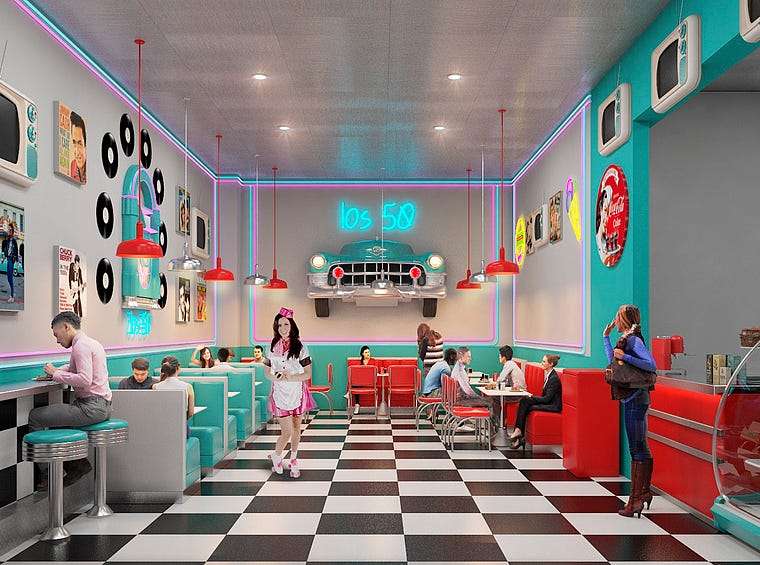
Months went by and, with the help of a restaurant consultant, I decided to change direction. They told me to think big. I went from wanting to open a patisserie to creating a 1950s American-themed restaurant in a mall in North or South Lima, where I saw more opportunity. I even had to put together a presentation with the concept and the opportunity to prove it could be done.
I visited the Plaza Norte and Mall del Sur shopping centres many times. I went every weekend, for months, to understand a bit more about consumer behaviour, perhaps more quantitatively, so I could build a ‘viable’ plan. An interior designer helped us show in a render how the restaurant could look in the space we might be given.
Months passed, the presentation was made and the proposal was accepted. It would be at Mall del Sur. All that was left was to send the rent for the first months in advance and the ‘key money’, and the dream would come true.
What happened?
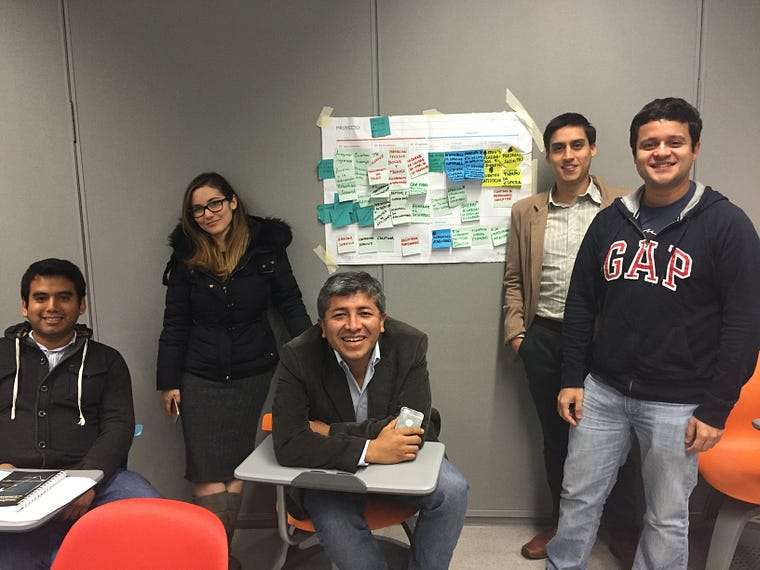
I decided not to go ahead. In parallel, I'd taken a Lean UX course at PUCP and a Scrum Agile Bootcamp with McKinsey through my job, and along the way I discovered that Design Thinking was truly something very small compared with what design could really do for us.
I discovered that Design Thinking was truly something very small compared with what design could really do for us.
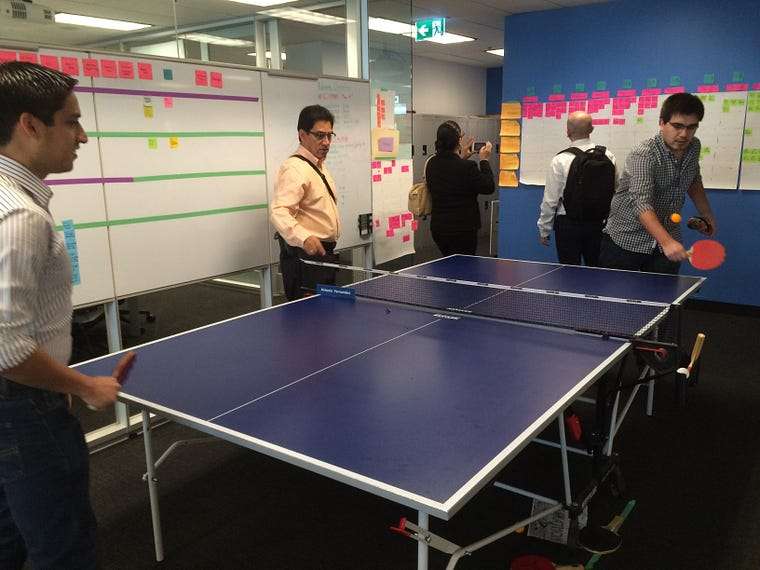
That year, 2016, I finally found, in the field of service design, the path I'd been looking for for so many years. It was what led me to leave Peru in 2017 to follow my curiosity. Is this the end of my exploration? I'd say it's only the beginning.
What was it? How did I find it? Can services be designed? Isn't design just about making things look nice? We'll explore the answers in another article.
Don't settle for what you already know. Never stop believing in the power of your ideas, your imagination, your hard work to change the world.
Have a great day!
Originally written in Spanish as “Caminando hacia el diseño” and published on Medium on 11 August 2021. English version by the author, November 2026. Read it in Spanish.